
Why a Hoarder House Smells and How the Odor Comes Out
Last updated: October 14, 2026
A hoarder house smells because urine, waste, spoiled food, and mold have soaked into the carpet, subfloor, drywall, and belongings, and those materials keep releasing odor until they're removed. In Arlington, that odor can also become a code issue, since the city's nuisance chapter counts property that's offensive "due to objectionable odors or accumulation of waste and fecal matter" as unclean premises. Here's where the smell comes from and how it's removed.
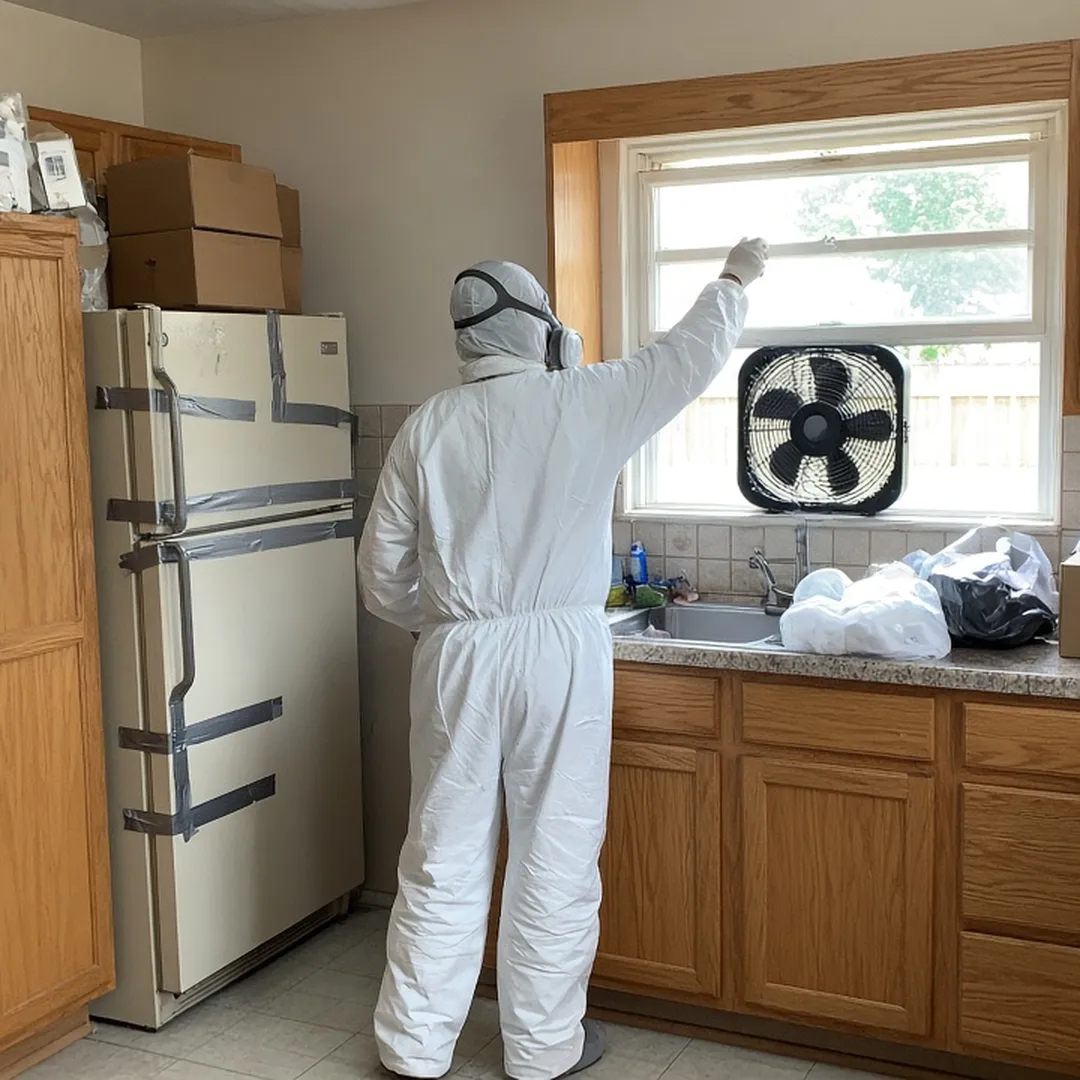
The Short Answer
The smell comes from the materials, not the air. Air fresheners, open windows, and ozone machines cover it for a while. The odor leaves for good only when the soaked carpet, pad, subfloor, furniture, and drywall are removed or sealed and the surfaces under them are disinfected.
Where the Smell Comes From
The smell in a hoarded house comes from a handful of sources.
| Source | Where it soaks in |
|---|---|
| Pet urine and feces | Carpet, pad, subfloor, baseboards, lower drywall |
| Rodent urine and droppings | Insulation, cabinets, drawers, the piles themselves |
| Human waste | Containers, bedding, flooring around a failed toilet |
| Spoiled food | Refrigerators, pantries, bags and boxes in the piles |
| Mold and mildew | Wet cardboard, paper, clothing, drywall behind the piles |
| Smoke | Ceilings, walls, fabric, paper |
A hoarded home can have several of these at once, which is why one product never fixes the smell.
Why Heat Makes It Worse
Heat makes a buried odor stronger. The National Weather Service's Dallas/Fort Worth station at DFW Airport records a 66.6°F annual mean temperature and 37.01 inches of rain a year, and warm, damp air pulls more smell out of soaked materials. That's why a house that seemed manageable in winter smells worse once summer arrives. The EPA's guidance that mold control is moisture control applies here too, because wet piles keep feeding both mold and odor.
How the Odor Gets Removed
The odor gets removed in four steps. First, the clutter comes out so the floors and walls can be reached. Second, the materials holding the smell are removed: carpet, pad, stained subfloor, mattresses, upholstered furniture, and damaged drywall. Third, the exposed subfloor, framing, and hard surfaces are cleaned and disinfected. Finally, the subfloor and stained surfaces are sealed with an odor-blocking primer, and the air gets treated once the source is gone.
What Doesn't Work
Several common fixes don't work on a hoarder house smell. Air fresheners and candles add a scent on top of the odor. Carpet shampooing pushes urine deeper into the pad. Ozone and fogging reach the air and surfaces but not urine inside a subfloor. Opening windows helps while they're open. Each of these buys time, and the smell returns when the house closes back up.
Frequently Asked Questions
Why does a hoarder house smell like ammonia?
An ammonia smell in a hoarder house comes from pet or rodent urine that has soaked into carpet, pad, and subfloor and broken down over time. The smell grows in warm weather and closed-up rooms. Removing the soaked flooring and baseboards and sealing the subfloor is what stops it. Ammonia buildup in closed rooms is also unhealthy to breathe, so air the house out before anyone works inside.
Can you get the smell out of clothes from a hoarder house?
Washable clothing with a light, musty smell can come clean with repeated washing and full drying. Clothing soaked with urine, waste, or rodent droppings, or grown over with mold, can't be cleaned safely and goes to disposal. During a cleanout, we sort clothing by condition so the family can launder what's salvageable and discard the rest.
Will painting over the walls cover the smell?
Regular paint won't hold back urine or smoke odor in drywall, and the smell comes through within weeks. An odor-blocking primer seals surfaces that are stained but sound. Drywall that has wicked up urine or grown mold has to be cut out and replaced. The primer goes on after the contaminated materials are removed, not instead of removing them.
How long does it take to get rid of a hoarder house smell?
Clearing the clutter and removing the soaked materials takes several days for a full house, and the primer needs time to cure before new flooring goes in. Most of the smell leaves as soon as the source materials are out of the house. What's left fades after the subfloor is sealed and the air is treated. The written estimate gives the expected timeline.
Can a smelly house in Arlington get a code violation?
Yes. Under Arlington's nuisance rules, a property that offends people of ordinary sensibilities through bad odors or built-up waste and feces is classed as unclean premises. Fines run up to $2,000, and each day the condition continues counts as a separate offense. Removing the source of the odor resolves the condition.
Get a Free Estimate in Arlington
When an Arlington hoarded house holds onto a smell, call 123-456-7890 and book a free walkthrough. See our odor removal service, or our full hoarding cleanup in Arlington work.